Gunna Type Beat Guide to Professional Sounding Tracks
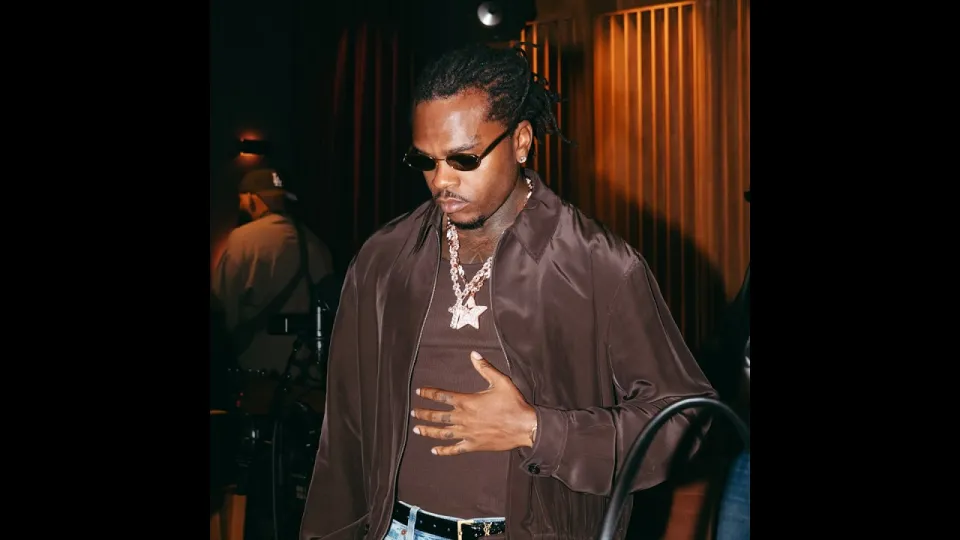
Video: [FREE] Gunna Type Beat - "Professional"
Need articles like this for your video? They help promote it on YouTube and Google — order them in the Telegram bot @sat_sit_bot. It writes articles around your video, embeds the video and publishes them on popular niche websites (no ads). Free trial — 50 articles.
· based on the channel MIG
A type beat is an instrumental built in the style of a specific artist so that independent rappers can record over a sound they already like. MIG's "Professional" is a Gunna type beat at 122 BPM in F# Minor, and the untagged license can be purchased directly through the BeatStars checkout page for "Professional", where adding three beats to the cart activates a discount.
What a Gunna type beat actually is
A Gunna type beat is a melodic trap instrumental that copies the sonic signature of Gunna's catalog: spacious minor-key melodies, soft but present 808s, and hi-hat patterns that carry most of the rhythmic motion. Producers label these beats with the artist's name so that rappers searching for a familiar pocket can find them quickly, and so that the beat's mood is clear before the first bar plays. The style overlaps heavily with Young Thug type beats, which is why many uploads tag both names and why search results for Gunna and Young Thug often return the same instrumentals.
The defining traits are consistent across the genre:
- A minor key, usually with a simple four- or eight-bar melodic loop that leaves room for vocals.
- Tempo in the 120–140 BPM range, often felt as half-time so the rapper can ride it slowly.
- Sliding 808 bass notes that follow the melody rather than a separate bassline.
- Hi-hat rolls and triplets used as texture, not just as a metronome.
- A mix where the vocal sits forward and the beat stays wide but uncluttered.
How "Professional" is built
"Professional" sits at 122 BPM in F# Minor, a combination that gives the beat a walking pace rather than a sprint. The key is dark but not oppressive, and at that tempo a rapper can deliver Gunna-style melodic runs without rushing the syllables. Listeners picked up on the arrangement immediately: the melody reads as orchestral and dark, the drums are crisp, and the 808 slides are the element most often singled out as the beat's strongest feature. The hi-hat rolls are dense enough to keep the top end busy while the melody carries the emotional weight.
That combination — orchestral melodic writing over trap drums — is what separates a generic Gunna type beat from one that sounds release-ready. The strings and pads do the melodic work, the 808s handle the low end and the movement, and the hats supply the energy. Nothing in the arrangement competes with a vocal, which is the point of a type beat: it has to sound finished on its own and still leave a hole in the middle for an artist.
Licensing, free downloads and streaming rules
The free version of "Professional" is licensed for non-profit purposes only. That means it is fine for practice recordings, demos, freestyles and non-monetized uploads, but it cannot be distributed through streaming services such as Spotify or Apple Music. If a track built on the free beat starts earning money or needs to appear on DSPs, the untagged lease has to be purchased first. The paid file arrives without the producer tag and with the usage terms attached.
A practical order of operations for anyone planning a release:
- Write and record over the free tagged version to confirm the pocket works.
- Buy the untagged lease at bsta.rs/lKzH8q before mixing.
- Add two more beats to the cart if the discount threshold matters for the budget.
- Keep the license receipt alongside the session files for distributor verification.
- Register the finished song only after the beat license is in hand.
Choosing the right Gunna type beat for a verse
The most common mistake when shopping for a Gunna type beat is picking by melody alone and ignoring the tempo. A 122 BPM beat in F# Minor rewards mid-tempo melodic rapping and long, held vowel sounds; a 140 BPM beat pushes the delivery toward shorter, punchier phrases. "Professional" is built for the first approach, which is why the slides and the space between drum hits matter more than the density of the pattern.
A quick checklist before committing to any type beat:
- Hum a full 16-bar verse over it; if the melody fights the vocal, the beat is wrong.
- Check that the 808 pattern leaves room for ad-libs in the gaps.
- Confirm the key matches your comfortable vocal range — F# Minor sits well for mid-register delivery.
- Test the beat on phone speakers, since that is where most first listens happen.
- Verify the license terms before uploading anywhere.
Common questions from listeners and rappers
Reactions to "Professional" cluster around a few recurring points. The hi-hat rolls draw the most attention, and for good reason: they are the busiest element in the mix, so anyone recording over the beat needs to place syllables around them rather than on top of them. The 808 slides get similar praise, and they are also the part most likely to clash with a bass-heavy vocal chain — high-pass the vocal slightly and let the slides own the low end.
The "orchestral trap" description that listeners applied to the beat is accurate and useful: it tells you the melodic content is written rather than sampled from a loop pack, which usually means fewer clearance issues and a more distinctive song. Producers and rappers also note that the drums sound crisp, which is a mixing decision as much as a sound-selection one — clean transients on the kick and snare let the hats stay dense without turning the mix to mush. Finally, the tempo is forgiving: at 122 BPM a verse can be delivered in a relaxed flow or doubled up for a more urgent section without the beat feeling like it is dragging.
Where to find more from the producer
MIG publishes free Gunna type beats, Young Thug crossovers and guitar-driven trap instrumentals, with new uploads tagged for the current era of the sound. The producer's socials are @prod_mig and the contact address for licensing or custom work is migbeats.prod@gmail.com. Following the channel is the fastest way to catch beats in the same 122 BPM, F# Minor pocket as "Professional" before they get picked up.
Summary
"Professional" is a 122 BPM, F# Minor Gunna type beat from MIG that pairs an orchestral, dark melody with crisp drums and heavy 808 slides, and it is free only for non-profit use. Anyone who wants to release a song on Spotify or Apple Music needs the untagged lease, and adding three beats to the cart unlocks the discount. The beat's structure — spacious melody, forward drums, room for a vocal — makes it a reliable template for mid-tempo melodic trap. Grab the untagged version at bsta.rs/lKzH8q and start writing.
Key takeaways
- MIG's "Professional" is a Gunna type beat at 122 BPM in the key of F# Minor.
- The untagged license is sold through BeatStars at bsta.rs/lKzH8q, with a discount when three beats are added to the cart.
- The free download is limited to non-profit use and cannot be released on Spotify or Apple Music.
- The instrumental leans on dark orchestral melody, sliding 808s and dense hi-hat rolls, per listener feedback.
Source: [FREE] Gunna Type Beat - "Professional" · Markdown version
Questions & answers
Can I put a song on Spotify using the free version of this Gunna type beat?
No. The free download of "Professional" is licensed for non-profit purposes only, and the producer explicitly excludes streaming services such as Spotify and Apple Music. To distribute a song on DSPs you need to purchase the untagged lease first.
What tempo and key is "Professional" in?
The beat runs at 122 BPM in F# Minor. That tempo supports a relaxed, melodic delivery rather than fast double-time rapping, and the minor key gives the melody its dark character.
Is the beat tagged in the free download?
Yes, the free version carries the producer tag, which is standard for type beats. The untagged file is the paid version available through the BeatStars link, and that is the one to use for mixing and release.
How do I get the discount on the license?
Add three beats to the cart on the BeatStars page and the discount activates automatically at checkout. If you only need "Professional", the single-beat price applies.